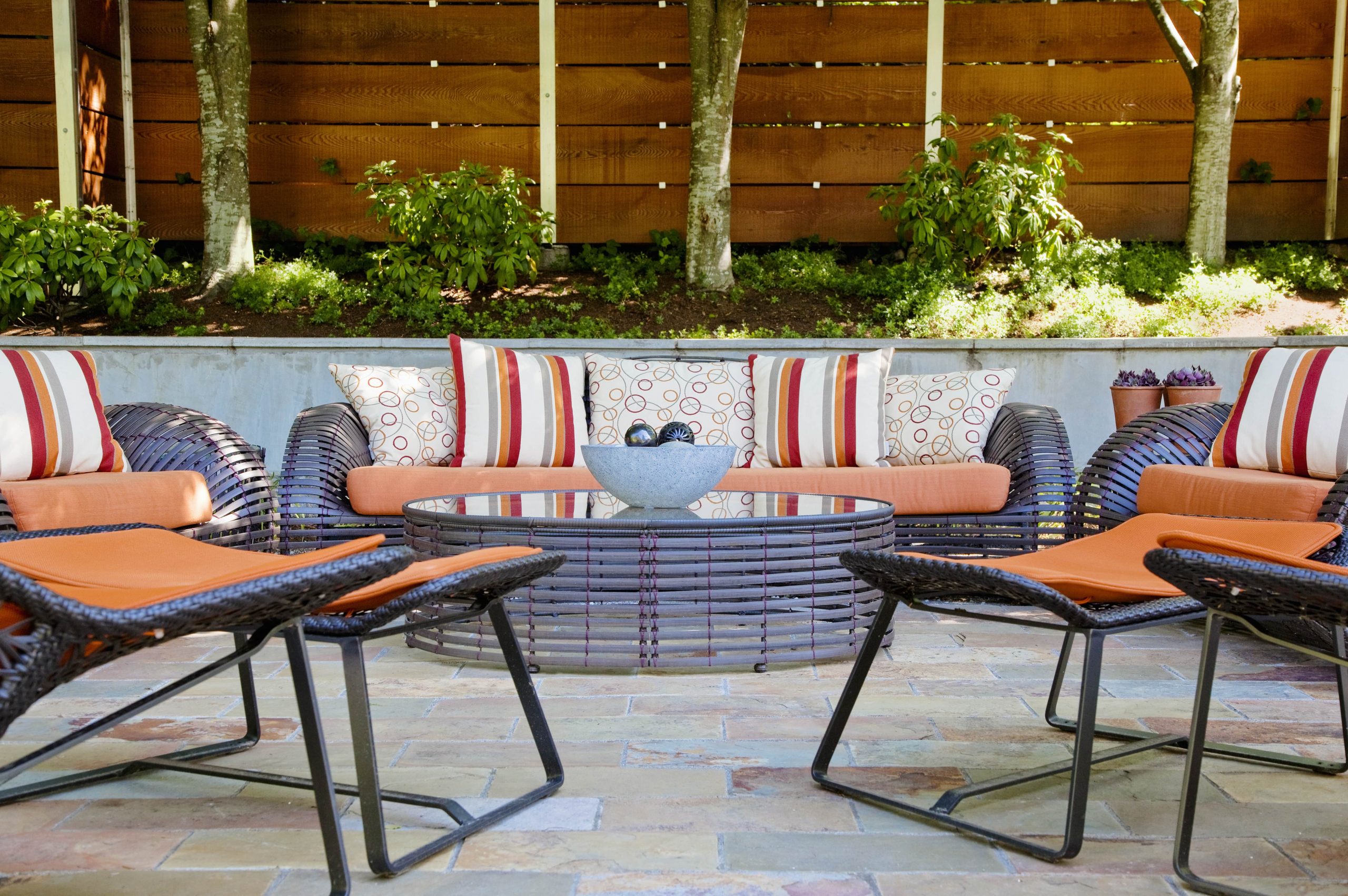
A well-designed garden is more than just plants and pathways—it is an extension of the home where comfort meets nature. The right outdoor furniture can completely transform a garden from a simple green space into a welcoming retreat for relaxation, entertainment, and everyday enjoyment. Whether used for quiet morning coffee, weekend gatherings, or evening unwinding, garden furniture plays a central role in shaping the atmosphere.
Choosing outdoor pieces requires thoughtful consideration. Weather resistance, durability, comfort, and design harmony all influence long-term satisfaction. Unlike indoor furnishings, garden furniture must withstand sun exposure, moisture, and seasonal changes without compromising style. From cozy seating arrangements to functional dining sets, the options are vast and adaptable to various garden sizes. This guide explores practical and stylish outdoor furniture ideas that enhance usability while elevating the overall aesthetic appeal of any garden setting.
Selecting Weather-Resistant Materials for Longevity
Durability is one of the most important factors when choosing outdoor furniture. Garden pieces are constantly exposed to changing weather conditions, including sunlight, rain, humidity, and temperature fluctuations. Materials such as teak, aluminum, wrought iron, and synthetic rattan are popular choices due to their resilience and minimal maintenance requirements.
Teak wood, for instance, naturally resists moisture and pests, making it a long-lasting option for outdoor seating and tables. Aluminum offers lightweight convenience while resisting rust. Synthetic rattan provides a classic woven appearance with improved weather durability compared to natural fibers.
Within thoughtful home and garden outdoor living solutions, material selection determines both aesthetic appeal and practicality. Investing in high-quality materials may require a higher upfront cost, but it significantly reduces long-term replacement expenses. Protective finishes and covers can further extend furniture lifespan.
Choosing weather-resistant options ensures the garden remains inviting year-round. Durable furniture maintains its structure and appearance even after prolonged exposure, allowing homeowners to enjoy their outdoor spaces without constant upkeep or repair concerns.
Creating Comfortable Seating Areas
Comfort transforms a garden into a true relaxation zone. Outdoor sofas, lounge chairs, and cushioned benches provide inviting spaces for rest and conversation. Selecting ergonomic designs with supportive backrests enhances usability during extended gatherings.
Cushions made from water-resistant fabrics add softness without sacrificing practicality. Neutral tones create a timeless look, while vibrant patterns introduce personality and visual interest. Modular seating arrangements allow flexibility, accommodating both small family moments and larger social events.
Thoughtful arrangement also plays a role in comfort. Positioning seating to face scenic views or shaded areas increases enjoyment. Adding side tables within reach enhances convenience, allowing easy placement of drinks or books.
A well-planned seating layout encourages frequent use. When the space feels cozy and functional, it naturally becomes a favorite area within the home environment. Comfort combined with durability creates an outdoor setting that balances style with everyday practicality.
Outdoor Dining Sets for Entertaining
For homeowners who enjoy hosting gatherings, outdoor dining furniture becomes essential. A sturdy table paired with comfortable chairs creates an inviting atmosphere for meals under the open sky. Materials should complement the garden’s overall design while remaining resistant to wear.
Expandable tables offer versatility, adapting to varying guest numbers. Stackable or foldable chairs provide practical storage solutions when not in use. Shade elements such as umbrellas or pergolas enhance comfort during sunny afternoons.
Within curated modern garden décor and furniture ideas, dining areas often serve as focal points. Decorative lighting, such as string lights or lanterns, adds warmth to evening events. Coordinating tableware and centerpieces further elevate the aesthetic.
Outdoor dining furniture fosters connection. Sharing meals in a natural setting strengthens relationships and enhances the enjoyment of seasonal weather. With the right design choices, a garden dining area becomes both functional and visually appealing.
Incorporating Functional Accent Pieces
Beyond seating and dining sets, accent furniture adds character and convenience to a garden space. Coffee tables, storage benches, and decorative side stands enhance both usability and style.
Storage benches are particularly valuable, providing concealed compartments for cushions, gardening tools, or outdoor accessories. Fire pits surrounded by seating create cozy gathering spots during cooler evenings. Outdoor bar carts introduce a sophisticated touch for entertaining guests.
Accent pieces should complement the primary furniture in both material and color palette. Consistency in design ensures visual harmony throughout the space. Thoughtful layering of textures—wood, metal, woven materials—adds depth and interest.
Functional accents not only improve organization but also personalize the garden environment. These additions transform an ordinary outdoor area into a curated extension of the home’s interior design philosophy.
Maximizing Small Garden Spaces
Not all gardens offer expansive layouts, but thoughtful furniture choices can maximize even compact areas. Folding chairs, wall-mounted tables, and stackable seating conserve space without sacrificing comfort.
Multi-functional furniture provides additional efficiency. Benches with storage compartments or convertible tables adapt to different needs throughout the day. Vertical storage solutions free up floor space while maintaining organization.
Light-colored materials create an illusion of openness in smaller gardens. Minimalist designs prevent visual clutter, maintaining a clean and airy atmosphere. Arranging furniture strategically ensures smooth movement without overcrowding.
Small garden furniture should prioritize flexibility. When pieces can be easily rearranged or stored, the space remains adaptable for various activities. With smart planning, even limited outdoor areas can feel inviting and spacious.
Enhancing Ambiance with Decorative Elements
Furniture alone does not define a garden’s atmosphere. Complementary décor elements amplify the overall experience. Outdoor rugs anchor seating arrangements and introduce warmth underfoot. Planters integrated around furniture create a seamless transition between greenery and seating.
Lighting dramatically influences mood. Solar pathway lights, lanterns, or wall-mounted fixtures add both safety and charm. Subtle illumination encourages evening relaxation and extends usability beyond daylight hours.
Textiles such as throw pillows and blankets enhance comfort while introducing color. Coordinating these details with the garden’s natural tones maintains visual balance. Even simple additions like wind chimes or decorative sculptures contribute personality.
By layering decorative elements thoughtfully, homeowners transform their gardens into welcoming retreats. A harmonious combination of furniture and ambiance ensures the space feels cohesive and inviting throughout every season.
Conclusion
Choosing the right outdoor furniture is essential for transforming a garden into a functional and inviting extension of the home. By prioritizing weather-resistant materials, comfortable seating, versatile dining options, and thoughtful accent pieces, homeowners can create spaces that balance style with practicality. Even small gardens can feel spacious and welcoming with smart furniture choices and careful arrangement. Decorative touches such as lighting, textiles, and greenery further enhance ambiance, ensuring the outdoor area remains enjoyable throughout the year. Ultimately, outdoor furniture is more than a design element—it shapes how people experience and interact with their garden environment. With careful planning and attention to detail, any garden can evolve into a comfortable retreat where relaxation, entertainment, and natural beauty come together seamlessly.