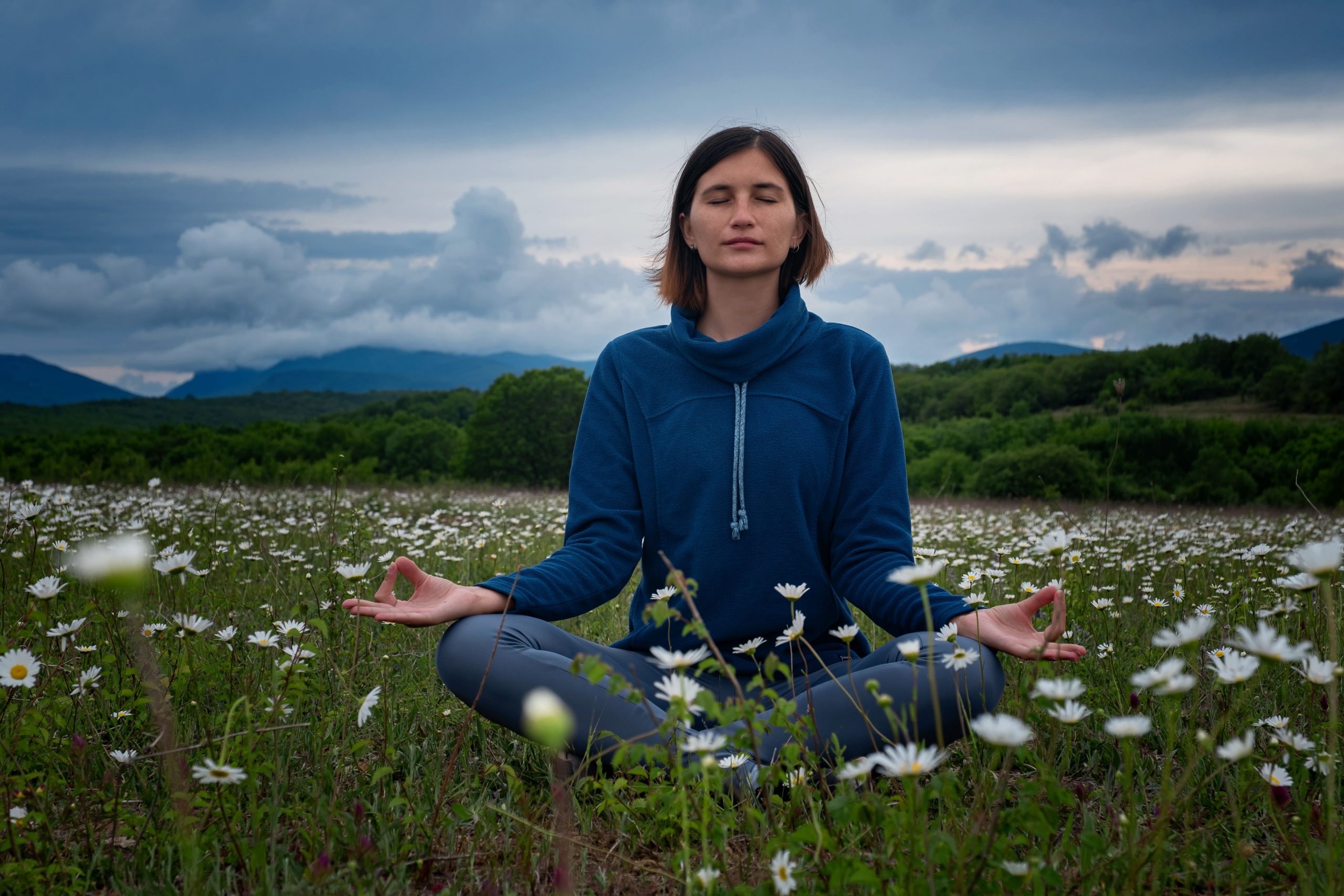
Yoga has evolved from an ancient spiritual discipline into a globally embraced wellness practice. While many people initially turn to yoga for flexibility or stress relief, its benefits extend far beyond simple stretching exercises. This centuries-old practice integrates movement, breath control, and mindfulness, creating a powerful combination that supports both physical and mental well-being.
In today’s fast-paced world, individuals often struggle with chronic stress, sedentary habits, and mental fatigue. Yoga offers a practical and accessible way to restore balance without requiring expensive equipment or extreme physical ability. Whether practiced at home or in a studio setting, it provides adaptable routines suitable for beginners and advanced practitioners alike. From strengthening muscles to improving emotional resilience, yoga continues to gain recognition as a holistic approach to health. Understanding its comprehensive benefits reveals why millions incorporate it into their daily lives as a sustainable pathway toward long-term vitality.
Enhancing Physical Strength and Flexibility
One of the most visible benefits of yoga is improved flexibility. Regular practice gradually lengthens muscles, increases joint mobility, and reduces stiffness caused by prolonged sitting or repetitive movements. Unlike high-impact workouts, yoga builds flexibility in a controlled and mindful way, lowering the risk of injury.
Beyond flexibility, yoga strengthens the body through sustained poses that engage multiple muscle groups simultaneously. Holding postures such as planks, warrior sequences, or balancing poses enhances core stability and muscular endurance. Over time, this balanced strengthening supports better posture and alignment.
Within comprehensive holistic health and beauty wellness practices, yoga stands out for combining toning and mobility without excessive strain. It strengthens smaller stabilizing muscles that traditional weight training may overlook. As muscles become more flexible and resilient, individuals often notice reduced back pain, improved coordination, and enhanced overall body awareness.
Additionally, improved flexibility contributes to daily comfort. Simple tasks such as bending, lifting, or sitting for extended periods become less taxing. This practical impact makes yoga not only a fitness routine but also a long-term investment in physical functionality.
Supporting Mental Clarity and Stress Reduction
Modern lifestyles often contribute to mental overload. Constant notifications, work pressures, and social obligations can leave individuals feeling overwhelmed. Yoga addresses this challenge through controlled breathing techniques and mindful movement that calm the nervous system.
Deep breathing exercises, commonly integrated into yoga sessions, activate the body’s relaxation response. This reduces cortisol levels, the hormone associated with stress. As breathing becomes slower and more intentional, heart rate stabilizes and tension decreases.
Mental clarity improves as well. The focus required to maintain balance and alignment shifts attention away from distractions. Over time, practitioners develop greater concentration and emotional regulation. This consistent practice fosters resilience, helping individuals respond to challenges more calmly.
Unlike passive relaxation methods, yoga encourages active participation in stress management. It trains both body and mind to cooperate, creating a sense of grounded awareness that extends beyond the mat. This integration explains why yoga is frequently recommended as a complementary approach for managing anxiety and improving overall mental well-being.
Boosting Cardiovascular and Respiratory Health
Although yoga is often associated with slow, gentle movements, certain styles significantly elevate heart rate and improve circulation. Flow-based sequences link postures together in continuous motion, providing cardiovascular stimulation without high-impact strain.
Improved circulation enhances oxygen delivery throughout the body. This supports organ function, muscle recovery, and sustained energy levels. Breathing techniques, known as pranayama, further strengthen lung capacity and respiratory efficiency. Controlled inhalation and exhalation patterns train the lungs to function more effectively.
Incorporating yoga into broader natural beauty and wellness lifestyle routines often results in visible changes as well. Enhanced circulation promotes healthier-looking skin by delivering nutrients and oxygen to cells. Reduced stress levels also minimize inflammation, contributing to a clearer complexion.
Cardiovascular benefits extend beyond aesthetics. Regular practice can help lower blood pressure and improve heart health over time. By combining movement and breath, yoga offers a gentle yet effective method for supporting long-term cardiovascular wellness.
Improving Balance, Coordination, and Posture
Modern habits, particularly prolonged screen time, often lead to poor posture and weakened stabilizing muscles. Yoga addresses these issues through alignment-focused poses that retrain the body’s natural positioning.
Balancing postures strengthen the core and improve proprioception—the body’s ability to sense its position in space. As stability increases, individuals experience fewer falls and injuries, particularly as they age. Coordination also improves as movements become more deliberate and controlled.
Better posture reduces strain on the spine and surrounding muscles. When alignment improves, discomfort in the neck, shoulders, and lower back often decreases. This correction supports long-term musculoskeletal health.
The awareness developed during yoga sessions carries into everyday activities. Sitting, standing, and walking become more intentional. Over time, these subtle adjustments contribute to sustained physical comfort and structural resilience.
Enhancing Sleep Quality and Energy Levels
Sleep disturbances are increasingly common in today’s fast-paced environment. Yoga offers a natural method for promoting deeper and more restorative rest. Gentle evening sessions calm the nervous system, preparing the body for sleep.
Relaxation-focused poses combined with slow breathing reduce mental chatter, a common barrier to falling asleep. As stress hormones decrease, the body transitions more smoothly into restful states. Many practitioners report falling asleep faster and experiencing fewer nighttime awakenings.
Improved sleep directly impacts daytime energy. With better rest, concentration improves, mood stabilizes, and productivity increases. Yoga’s dual effect—calming at night and energizing during the day—creates a balanced rhythm that supports overall vitality.
Unlike stimulants or quick fixes, yoga addresses underlying stress patterns that disrupt sleep cycles. This sustainable approach promotes consistent energy without dependency on external aids.
Encouraging Long-Term Emotional and Physical Resilience
Yoga is not merely a workout; it is a long-term wellness discipline. Consistent practice fosters patience, self-awareness, and adaptability. These qualities strengthen emotional resilience in challenging situations.
Physically, gradual progress reduces the likelihood of burnout or injury. Unlike extreme fitness regimens, yoga allows for adaptation based on individual ability. This inclusivity makes it accessible across different ages and fitness levels.
Over time, practitioners often develop a deeper connection to their bodies. They recognize early signs of stress or tension and respond proactively. This heightened awareness promotes preventive health behaviors rather than reactive solutions.
As part of a balanced lifestyle, yoga cultivates harmony between physical health and emotional stability. Its cumulative benefits make it one of the most sustainable wellness practices available today.
Conclusion
The health benefits of yoga extend far beyond flexibility or relaxation. Through its integration of mindful movement, controlled breathing, and intentional awareness, yoga supports physical strength, cardiovascular health, emotional balance, and long-term resilience. Its adaptability makes it suitable for individuals of all ages and fitness levels, offering both gentle restoration and dynamic challenge. By consistently practicing yoga, individuals develop not only stronger muscles and improved posture but also enhanced mental clarity and stress management skills. These combined benefits contribute to a more balanced and sustainable lifestyle. In a world filled with constant demands and distractions, yoga provides a grounding practice that nurtures both body and mind. Embracing yoga as a regular habit is not simply about exercise—it is about cultivating holistic well-being that supports vitality, confidence, and inner stability for years to come.