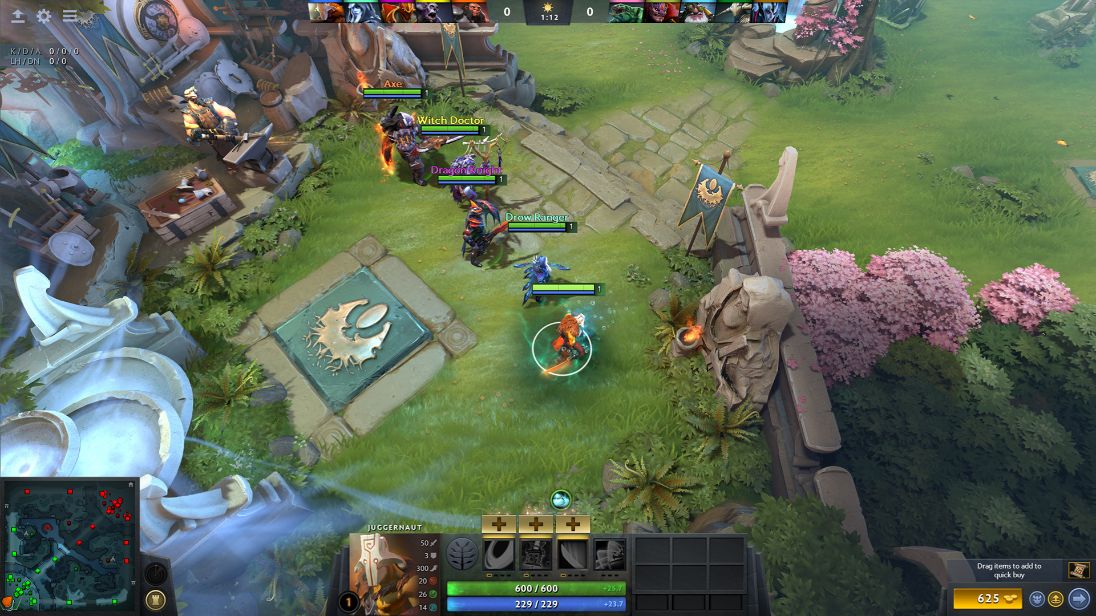
Multiplayer Online Battle Arena games, better known as MOBAs, have become one of the most influential genres in modern gaming. With fast-paced strategy, team-based combat, and competitive ranking systems, these games attract millions of players worldwide. What makes them especially compelling is the combination of tactical decision-making and mechanical skill, creating matches that are both unpredictable and highly engaging.
From casual players enjoying a few rounds with friends to professional esports athletes competing in global tournaments, MOBAs continue to shape the online gaming landscape. Their appeal lies not only in gameplay depth but also in constant updates, hero expansions, and evolving strategies that keep the experience fresh. Whether someone is new to the genre or a seasoned competitor looking to refine their understanding, exploring the most popular MOBA titles reveals why this category remains at the forefront of digital entertainment.
League of Legends: The Global Esports Giant
League of Legends consistently ranks as one of the most played competitive titles worldwide. Developed by Riot Games, it built a massive player base through accessible mechanics combined with deep strategic layers. Players select unique champions with distinct abilities, forming five-person teams tasked with destroying the opposing base. What sets it apart is its balance between simplicity for beginners and complexity for advanced players.
Its dominance in the competitive gaming ecosystem is undeniable. Annual international tournaments attract millions of viewers, offering prize pools that rival traditional sports events. Constant patches and champion reworks ensure that the meta never feels stagnant. This dynamic environment strengthens its position within the broader competitive online gaming industry, where strategic adaptation determines long-term success.
Beyond esports, League of Legends thrives because of community engagement. Content creators, streamers, and analysts continuously contribute to discussions about gameplay evolution. The game’s longevity stems from its ability to evolve without losing its core identity, making it a cornerstone of modern MOBA popularity.
Dota 2: Strategy and High-Stakes Competition
Dota 2 represents the more complex and punishing side of the MOBA spectrum. Known for its steep learning curve, it rewards players who invest time mastering hero abilities, item builds, and map awareness. Matches often feel intense and unforgiving, yet deeply satisfying for those who appreciate intricate strategy.
One defining feature of Dota 2 is its prestigious annual championship event, The International. With record-breaking prize pools funded partially by the community, it stands as a landmark event in esports history. The scale of these tournaments reinforces how MOBA games have reshaped digital competition and spectator entertainment.
Mechanically, Dota 2 offers unique systems such as deny mechanics and highly impactful abilities that can change the course of a match instantly. These elements create dramatic turning points that keep both players and viewers engaged. Its place within the evolving strategic multiplayer battle arena platforms highlights how complexity and high skill ceilings continue to attract dedicated audiences seeking serious competitive challenges.
Mobile MOBAs: Accessibility and Massive Growth
While PC titles laid the foundation for the genre, mobile MOBAs have dramatically expanded its reach. Games like Mobile Legends and Arena of Valor brought the classic three-lane battlefield format to smartphones, making competitive play accessible to a broader demographic.
Mobile MOBAs prioritize shorter match times and streamlined mechanics, catering to players who prefer quick sessions. Despite simplified controls, they maintain strategic depth through hero variety and team coordination. In regions across Southeast Asia and Latin America, these games have become cultural phenomena, filling arenas during tournaments and generating substantial sponsorship deals.
The accessibility of mobile platforms has lowered entry barriers, allowing new players to explore the genre without high-end hardware. This shift demonstrates how adaptability drives growth within the MOBA landscape. As technology advances, mobile titles continue refining graphics and gameplay systems, further closing the gap between handheld and PC experiences.
Smite and Unique Perspectives in MOBA Design
Not all MOBAs follow the traditional top-down perspective. Smite, for example, distinguishes itself with a third-person camera angle, creating a more immersive combat experience. Instead of simply clicking to move, players directly aim abilities, adding an action-oriented layer to strategic gameplay.
This perspective shift appeals to gamers who enjoy elements of shooter mechanics blended with team-based strategy. Featuring mythological gods as playable characters, Smite also differentiates itself thematically. Its creative design choices demonstrate how innovation keeps the genre evolving beyond its early foundations.
Such experimentation contributes to the diversity within the modern esports gaming hub, where various formats coexist under the MOBA umbrella. By challenging established conventions, games like Smite attract niche communities seeking alternative playstyles without abandoning competitive depth. This flexibility ensures that the genre remains dynamic rather than formulaic.
Why MOBA Games Remain Dominant
The sustained popularity of MOBA games stems from their balance between teamwork and individual skill. Unlike purely solo experiences, success depends heavily on coordination, communication, and strategic planning. This collaborative dynamic fosters strong online communities and long-term engagement.
Frequent updates also play a critical role. Developers continuously release new heroes, balance adjustments, and seasonal events. These changes prevent stagnation and encourage players to refine strategies regularly. Competitive ranking systems add further motivation, as climbing leaderboards provides tangible goals.
Additionally, MOBAs serve as gateways into esports culture. Many professional players began as casual enthusiasts before transitioning into competitive scenes. Streaming platforms amplify this exposure, allowing fans to learn directly from high-level gameplay. This synergy between players, creators, and developers sustains interest year after year.
The Future of MOBA Gaming
As gaming technology evolves, so does the MOBA genre. Cross-platform functionality, improved matchmaking algorithms, and enhanced spectator modes are reshaping how players experience competition. Artificial intelligence tools may soon assist with analytics and coaching, further deepening strategic layers.
Virtual reality and augmented reality remain speculative yet intriguing possibilities for the future. Even without radical technological shifts, the genre’s adaptability ensures continued growth. Developers consistently experiment with new mechanics, thematic elements, and monetization models.
The foundation of MOBA success lies in its core design—balanced competition, strategic teamwork, and skill progression. These pillars are unlikely to lose relevance anytime soon. As long as players seek challenging, cooperative experiences, MOBAs will maintain a central position within the broader gaming ecosystem.
Conclusion
Most popular MOBA games continue to dominate the competitive gaming scene because they combine strategy, skill, and teamwork into a constantly evolving digital battlefield. Titles like League of Legends and Dota 2 established the foundation, while mobile adaptations and innovative variations such as Smite expanded accessibility and creative diversity. The genre’s enduring strength lies in its balance between individual performance and coordinated team dynamics, making every match unpredictable and rewarding. As esports infrastructure grows and technology advances, MOBAs are positioned to remain influential within the gaming world. Their adaptability, frequent updates, and strong community engagement ensure sustained relevance in an increasingly competitive entertainment market. Whether played casually or professionally, MOBA games offer a depth of experience that few other genres can match, solidifying their place at the forefront of global online competition.